Discover why IEC power connectors matter in audio systems. Learn how premium connectors improve sound quality and find the perfect fit for your setup.
The Unsung Hero of Audio Systems: Why the IEC Power Connector Matters More Than You Think
Most audiophiles invest heavily in speaker cables, DACs, and amplifiers — yet the component that delivers power to every single piece of equipment in the chain rarely gets the same level of scrutiny. A well-chosen IEC power connector for your audio setup can be the difference between a system that merely works and one that performs at its full potential. The quality of the metal contacts, the housing material, and the mechanical fit all influence how cleanly power is transferred — and in high-fidelity audio, any signal degradation becomes audible. Ignoring this component is a bit like fitting a race car with a garden hose for a fuel line.
The governing international standard, IEC 60320, defines a family of connector types suited to different current ratings and device categories. The familiar C13/C14 pairing is the most common in home audio and computing equipment, while higher-current gear — such as power amplifiers drawing sustained loads — may call for the C19/C20 format. Even the compact C7/C8 “figure-eight” connector, typically seen on smaller consumer electronics, has a place in certain desktop audio configurations. Understanding which format applies to your equipment is the first practical step toward making a genuinely informed purchasing decision.
How Kácsa Audió Helps You Find the Right IEC Power Connector for Your Setup
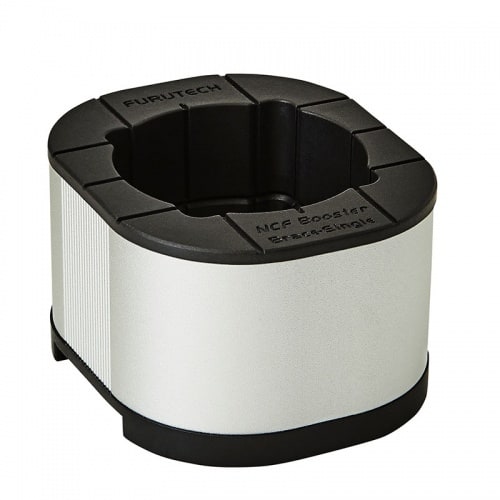
Kácsa Audió takes a notably hands-on approach to audio accessories: rather than simply shipping products, the team offers guidance, in-house assembly, and testing — a combination that sets them apart from generic online retailers. Their catalog covers a broad spectrum of IEC power connector options, from accessible gold-plated KáCsa-branded inlets to high-end Furutech models built with alpha-processed pure copper conductors and NCF nano-crystal housings. This range means that customers at every budget level — from entry-level audiophiles to serious enthusiasts — can find a component that matches both their system and their expectations.
One particularly useful aspect of the Kácsa Audió experience is the ability to test assembled cables at home, in your own system, before committing to a purchase. This kind of real-world evaluation is rare in the audio accessories market and reflects a genuine confidence in product performance. Whether you need a panel-mountable IEC inlet, a fuse-equipped socket for added circuit protection, or a 20-amp inlet for high-draw amplification equipment, the product selection covers all major use cases. The in-store team also draws on ongoing customer feedback to refine their recommendations over time.
Advantages of Standardized IEC Power Inlets and Outlets: What Every Audiophile Should Know Before Buying
The core benefit of IEC standardization is interoperability: a compliant connector from one manufacturer will physically mate with a compliant inlet from another, reducing compatibility headaches across a diverse system. Beyond mechanical fit, the internal construction of premium inlets varies significantly — contact material (gold-plated copper versus rhodium-plated alpha copper), housing composition (standard nylon versus fiberglass-reinforced or NCF material), and connection method (soldered versus set-screw) all affect long-term reliability and signal integrity. Audiophiles who have upgraded from basic OEM connectors to engineered alternatives consistently report improvements in background noise levels and dynamic clarity.
Before purchasing, it is worth evaluating a few practical factors: the current rating required by your device (10A/250V is standard for most home audio gear, while 16A or 20A inlets exist for demanding amplifiers), the panel cutout dimensions of your chassis, and whether a fuse holder is needed for additional protection. Connector dimensions matter more than they might seem — Furutech’s FI-09 series, for instance, uses a larger footprint than entry-level alternatives, which can affect retrofitting into existing equipment. Matching the mechanical and electrical specifications carefully before purchasing saves time and avoids the frustration of returns.
IEC Power Connector Market Trends and Evolving User Needs Worth Keeping on Your Radar
The market for high-performance power accessories has matured considerably, driven by a growing awareness among audio enthusiasts that the power delivery chain deserves the same attention as signal-path components. Demand for rhodium-plated and NCF-housed IEC power connector products has risen in step with the broader trend toward system-level optimization, where marginal gains at every junction accumulate into meaningful overall improvements. Manufacturers like Furutech have responded by expanding their lineup to include both standard and 20-amp variants, accommodating a wider range of contemporary amplification designs.
At the same time, color-coded power cables and connectors are becoming a practical standard in complex multi-component setups, helping users distinguish between separate power feeds at a glance and reducing the risk of incorrect connections during reconfiguration. Locking power cord designs — which mechanically secure the cable to the inlet — are also gaining traction in both audiophile and professional installation contexts, particularly where physical vibration or accidental disconnection is a concern. Proper cable length selection remains a perennially underrated consideration: cables that are too long create unnecessary clutter, while overly tight routing can stress connectors and degrade contact quality over time.